
SolarFridge
There is a need to develop a sustainable and cost-effective vaccine storage system to maintain vaccine viability during power shut-offs.

Our Mission
More than 1.5 million people die from vaccine-preventable illnesses each year due to limited access to vaccines. Areas with warm climates and limited electricity access are particularly impacted as vaccines need to be kept at a certain temperature range to remain viable.
Therefore, there is a need to develop a sustainable and cost-effective vaccine storage system to maintain vaccine viability during power shut-offs.
Team Solar Fridge’s mission is to develop a cost-effective, sustainable, vaccine storage system that maintains vaccine viability during power shut-offs. We aim to help areas with warm climates and limited electricity to increase vaccination rates and decrease vaccine-preventable illnesses.
Background
M-HEAL’s Project Solar Fridge began as a Senior design project in 2008 and transitioned into an interdisciplinary team within M-HEAL a few years later. There have been several iterations of the prototype since the project’s creation. Ultimately, the team has focused on creating a solar-powered fridge, utilizing solar panels and a rechargeable battery.
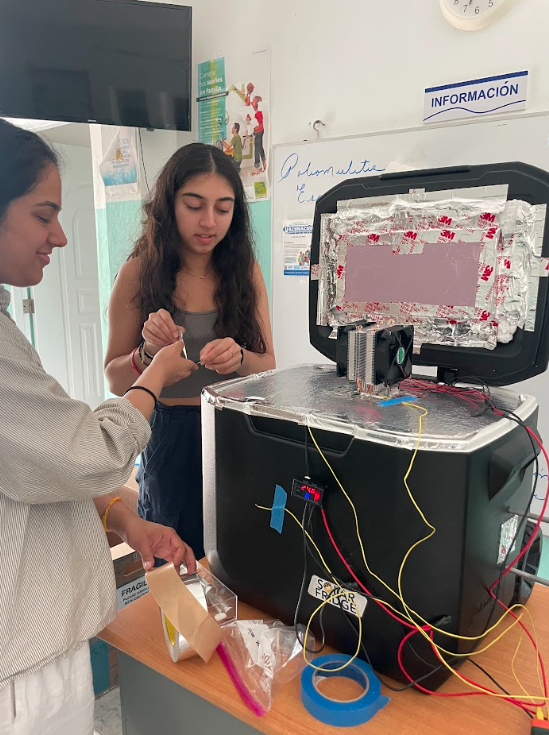
By 2023, our two engineering subteams—Temperature Control and Electrical—created a combined low-fidelity prototype based on extensive brainstorming and material research. The Temperature Control subteam focused on constructing a highly insulated and portable cooler while the Electrical subteam made a cooling system using a Peltier Device and PID controller. Each of these subsystems was tested individually and adjusted according to the results.
During this time, our Business subteam developed a new website platform for Solar Fridge and guided the team to the Michigan Business Challenge Finals, a competition for new business proposals.
From Fall 2023 to the present, the engineering subteams have worked on creating a new high-fidelity prototype based on the testing results of our Winter 2023 low-fidelity prototype. The Temperature Control subteam purchased a larger, more transportable cooler and integrated upgraded insulation materials. The Electrical subteam converted the main power source of the cooler to solar panels. We continue to make design upgrades, test new changes, and implement feedback from our trip to Rincon Claro in May 2024. Through this time, the Business subteam led us through the finals of the Optimize Challenge, the semifinals of the Rice360 global health design competition and raised travel funds to support upcoming travel in 2027.
PROJECT OVERVIEW
SolarFridge
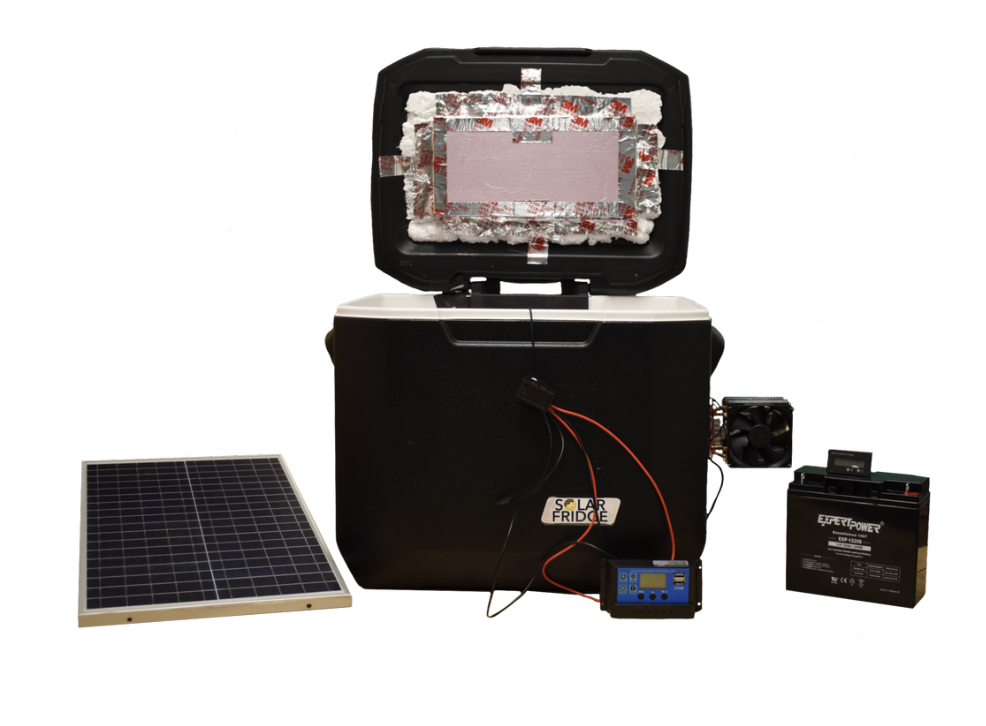
Our working prototype can be broken down into its electrical components and temperature control components. Key components of our prototype’s electrical technology include: Solar Panel, Solar Controller and a 12V Battery. Additionally, our prototype uses a PID Controller, which senses internal temperature of cooler and maintains temperature @ 2°C - 8°C, and a Peltier Device, which generates cool air via thermal electric cooling with opposing heat sinks and fans.

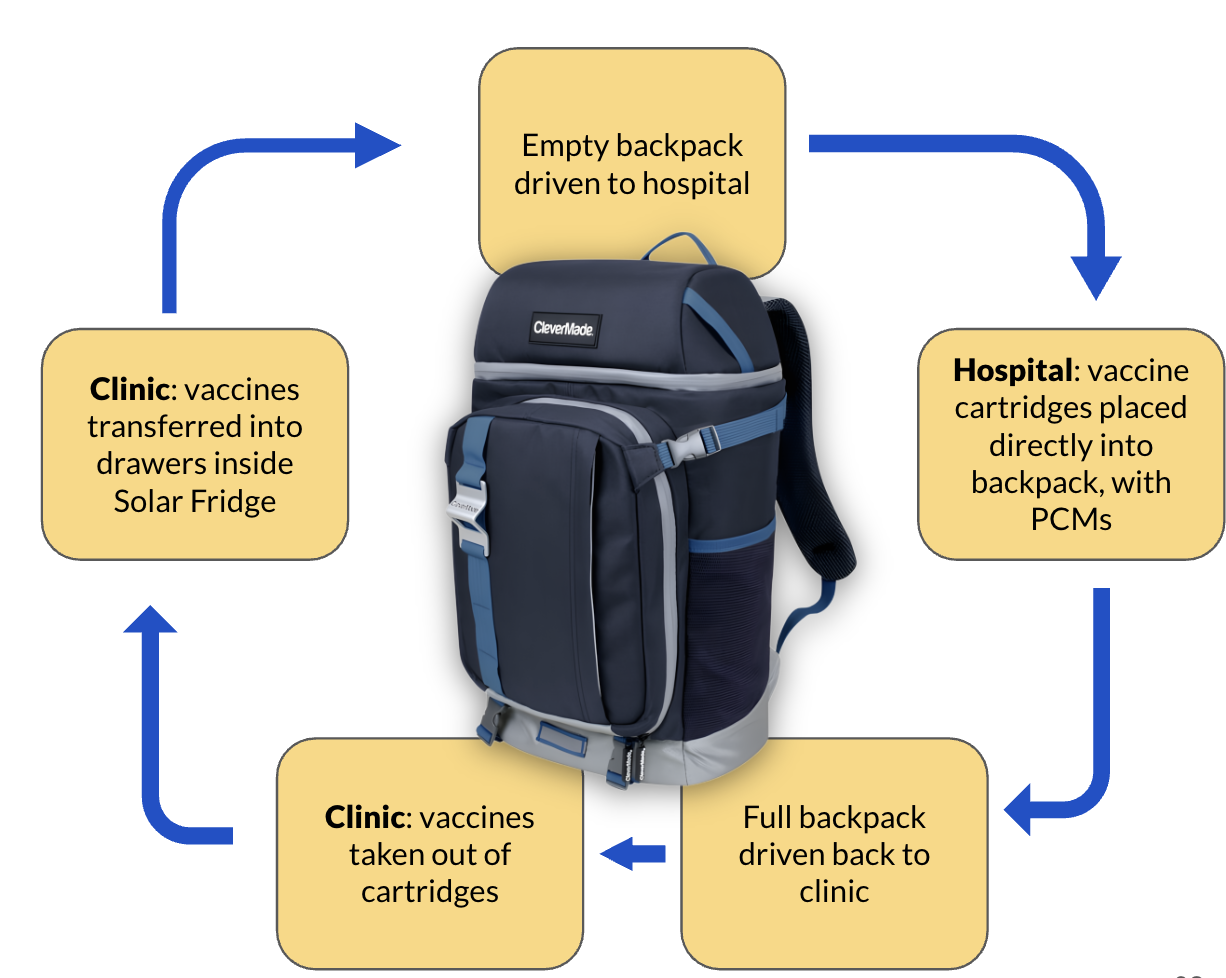
The current vaccine transportation method being used at the clinic has several limitations, including being difficult and unsafe to carry on long trips or bikes, relying on ice for cooling, and lacking organization for different vaccines. The proposed backpack supplements our existing SolarFidge by providing a more portable, organized, and ergonomic way to transport vaccines while maintaining the required 2–8°C temperature range.
Phase change materials (PCMs) absorb or release thermal energy as they melt or freeze while maintaining a relatively stable temperature, making them ideal for vaccine transportation. For our prototype, we need PCMs designed to operate within the 2–8°C range, with a target melting temperature of approximately 5°C, which is commonly used in vaccine cold-chain applications. The design will use two sets of PCMs, allowing one set to be in use during transportation while the other is being reconditioned and rotated between the hospital and clinic.
VacPack
Project Updates
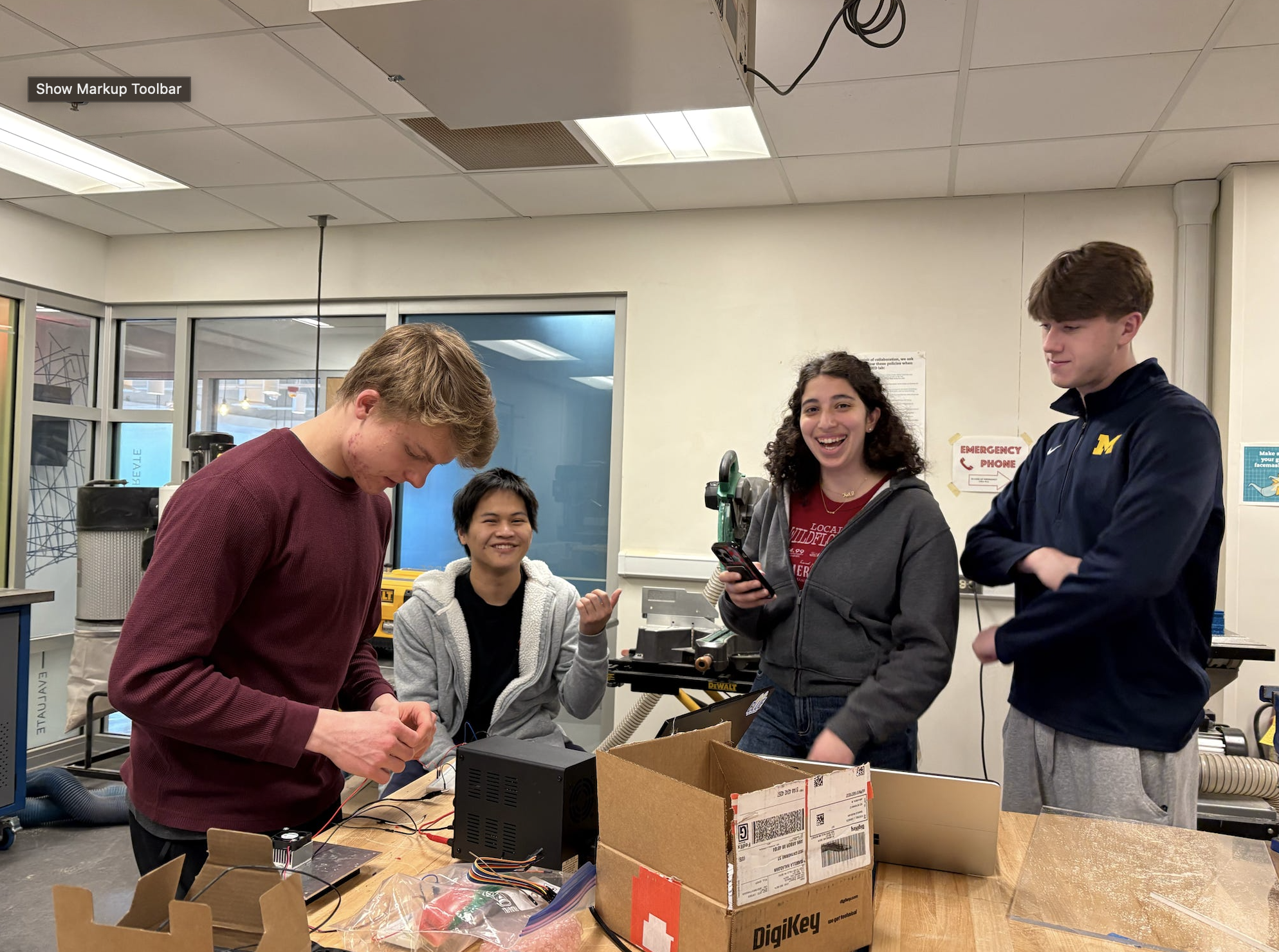
Electrical
As the electrical subteam has continued to redesign our prototype and specifically refine functions relating to internal cooling and our PID controller, future goals include: creating a waterproof electrical system, building an user interface for PID and other cooling system regulation components and shifting focus to solar energy sequestration system.
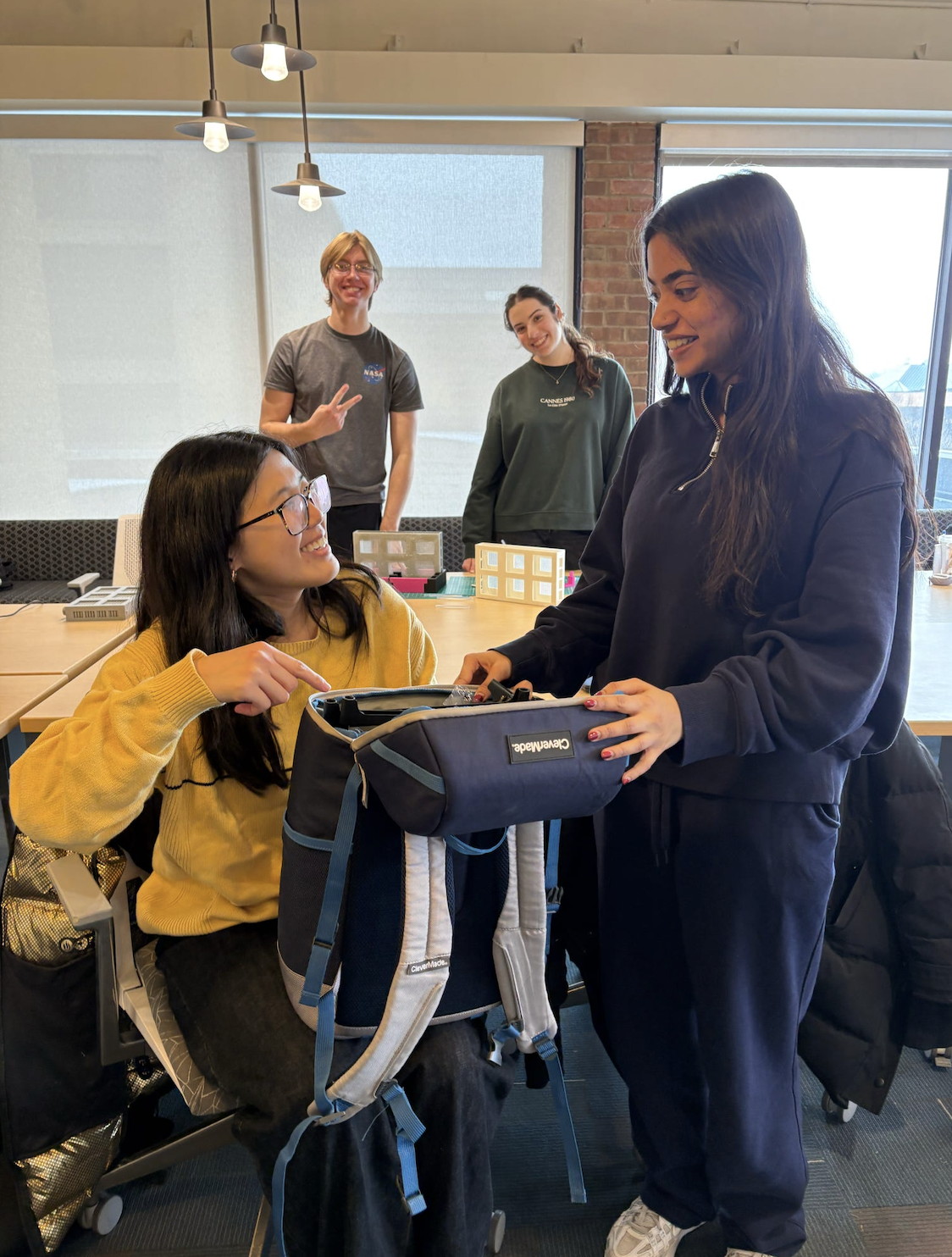
Temperature Control
Our temperature control team has been working to improve our fridge’s storage capabilities, including the vaccine storage drawers and our backpack carrier. Future goals include: implementing a low fidelity digital data logger for our backpack carrier, integrating electrical PID components into our prototype and continuing to test the fridge’s functionality.
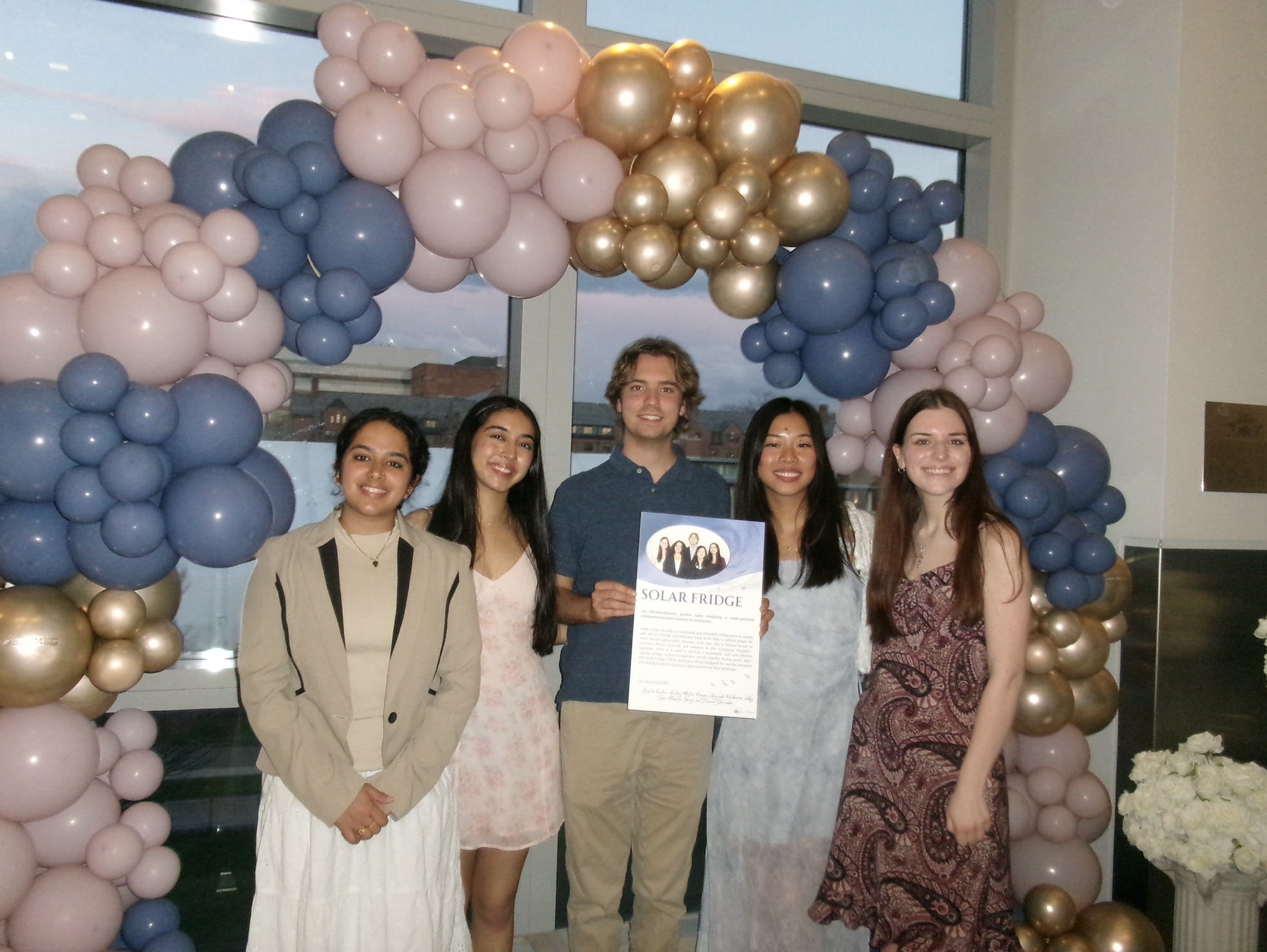
Business
Lastly, our business subteam led Solar Fridge to the finals of the Optimize Social Innovation Challenge in Winter 2026, a funding opportunity that supports student-led social impact projects through mentorship and workshops throughout the year, culminating in a final pitch competition. Solar Fridge was 1 of 38 teams funded out of 435 submissions through the SIC pitch competition. Beyond funding, our team secured recognition as a School of Public Health student organization. We are continuing to find additional opportunities to fund our project and further develop our team.
Our Community Partner
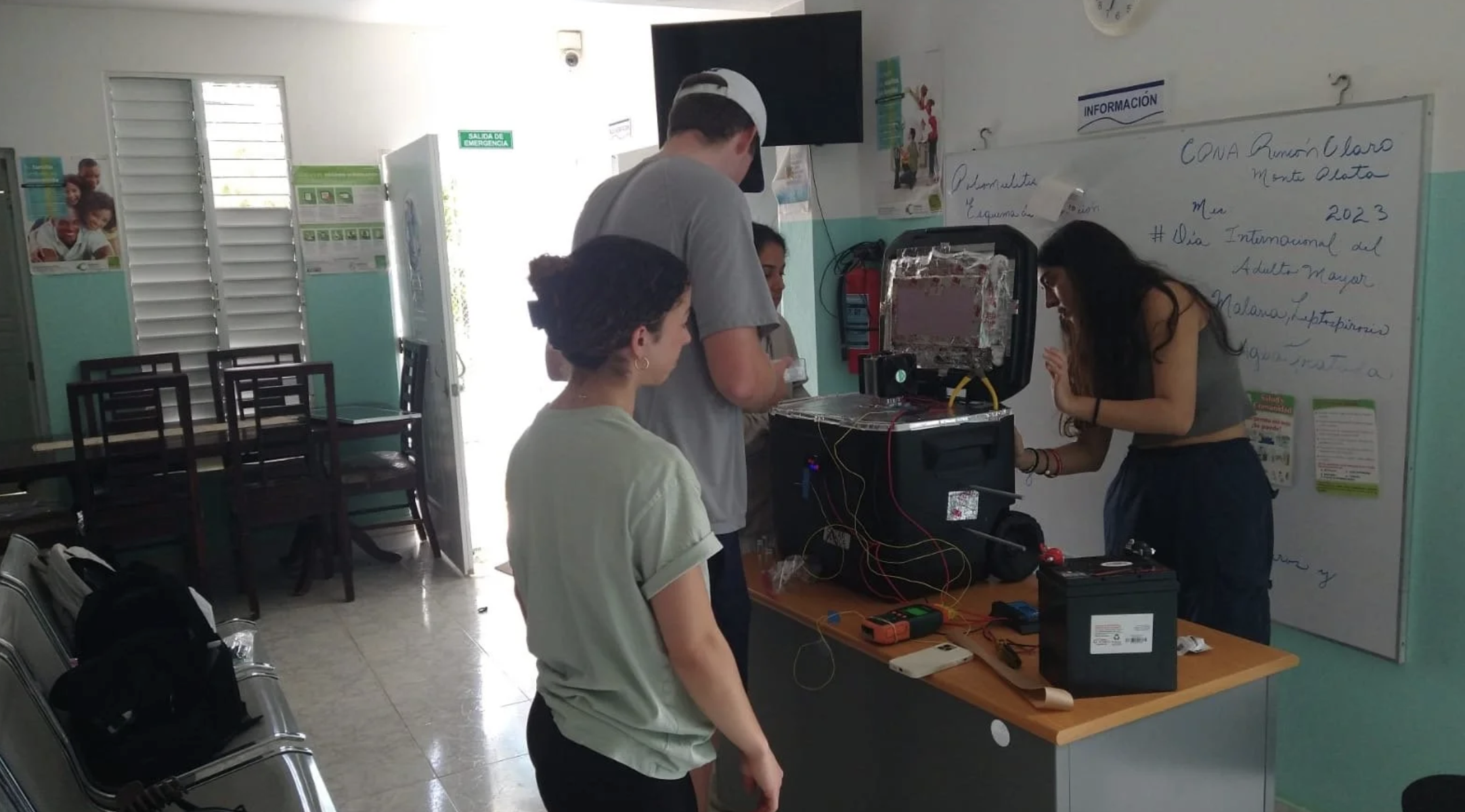
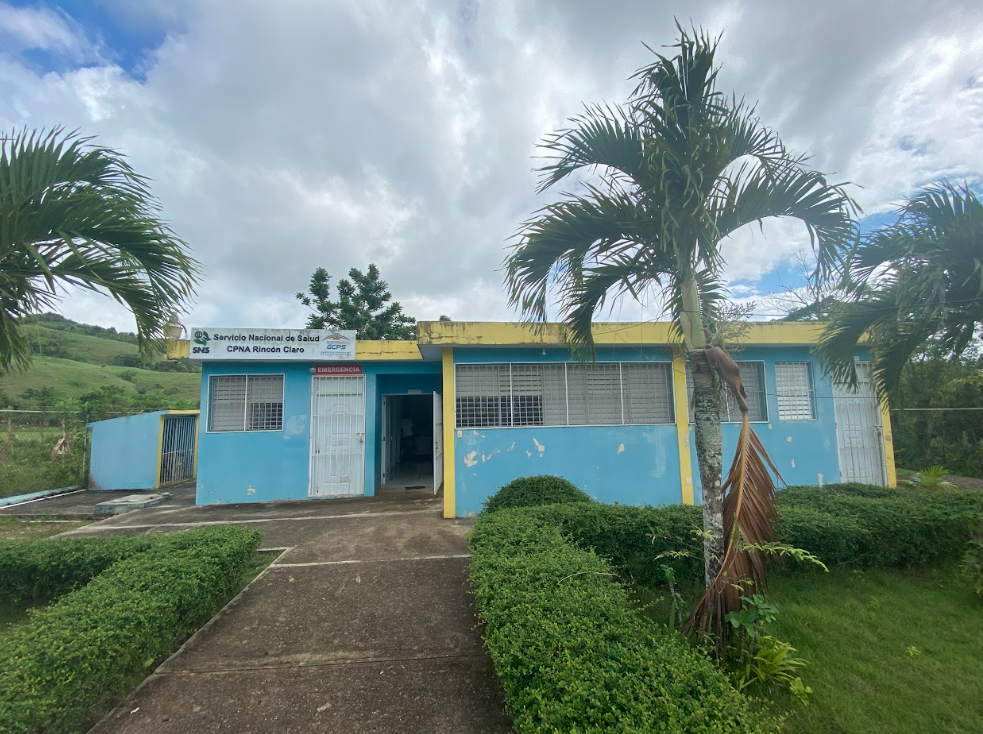
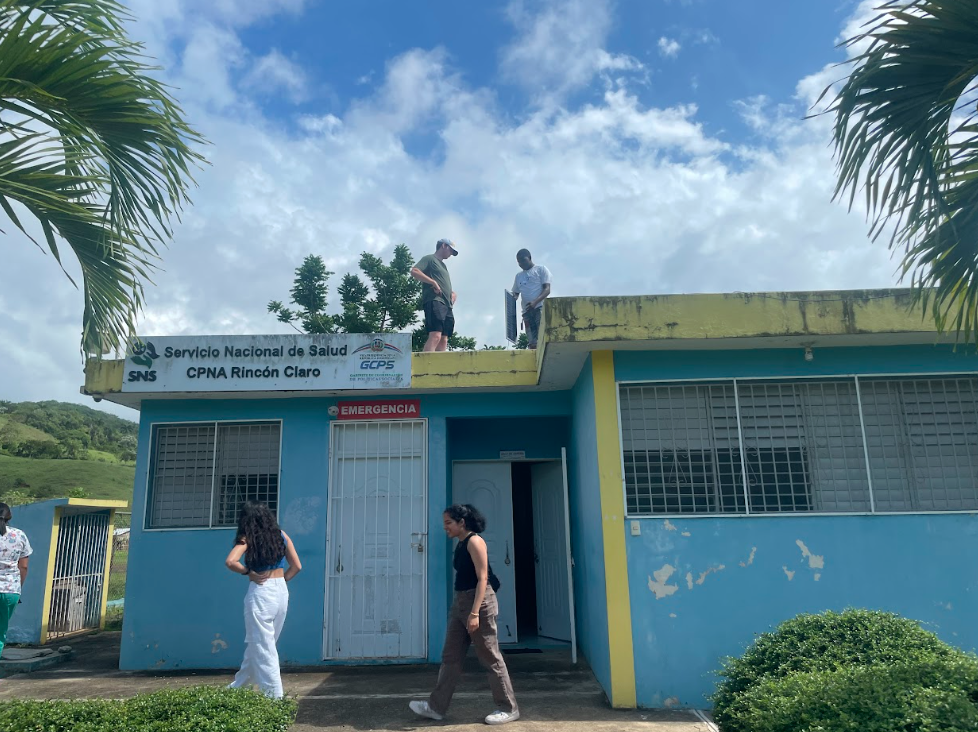
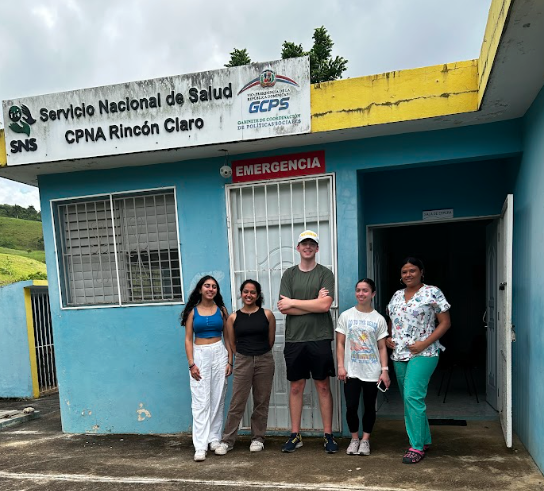
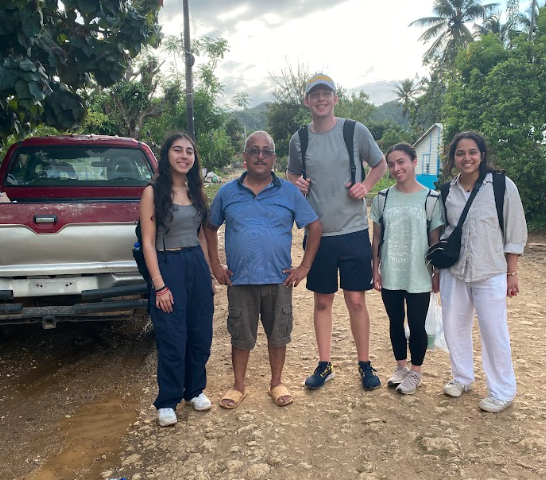
During the summer of 2017, our team performed a problem definition trip with our community partners in Rincon Claro, a small village in the Dominican Republic. We learned that their local clinic does not have access to reliable on-site vaccine storage, making the ultimate goal of Solar Fridge a perfect solution. We also visited neighboring communities and concluded vaccine storage is an overarching problem in this region. This trip helped Solar Fridge establish a long-term connection with Dr. Jorge Ramirez, the doctor of Rincon Claro. After making promising progress with our prototype, Solar Fridge traveled again to Rincon Claro in May 2024 to test our prototype and receive feedback on our developments.

Travel Updates
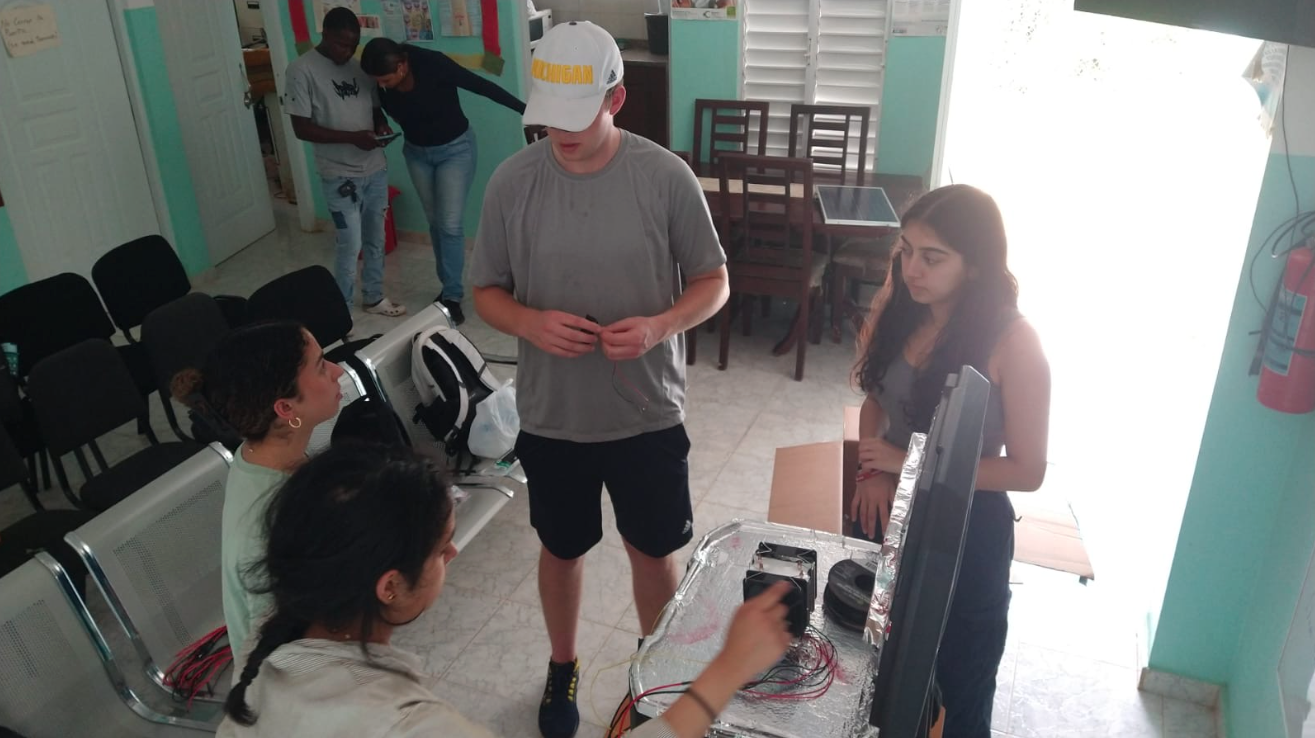
Solar Fridge traveled to our community partner clinic in Rincón Claro, Dominican Republic in May 2024. Our team was able to conduct prototype testing, gaining valuable feedback from healthcare professionals in the clinic who will primarily interface with the vaccine cooler. Additionally, our team was able to reestablish our relationship with the community and update our understanding of their vaccine storage and transportation needs, particularly in light of changes since the COVID-19 pandemic.
Meet the Leads
-

Aayushi Wadhawan
Team Co-Lead, Public Health 2027
-

Anders Hansen
Team Co-Lead, Public Health 2027
-

Snikitha Periketi
Temperature Control Subteam Lead, Biomedical Engineering 2028
-
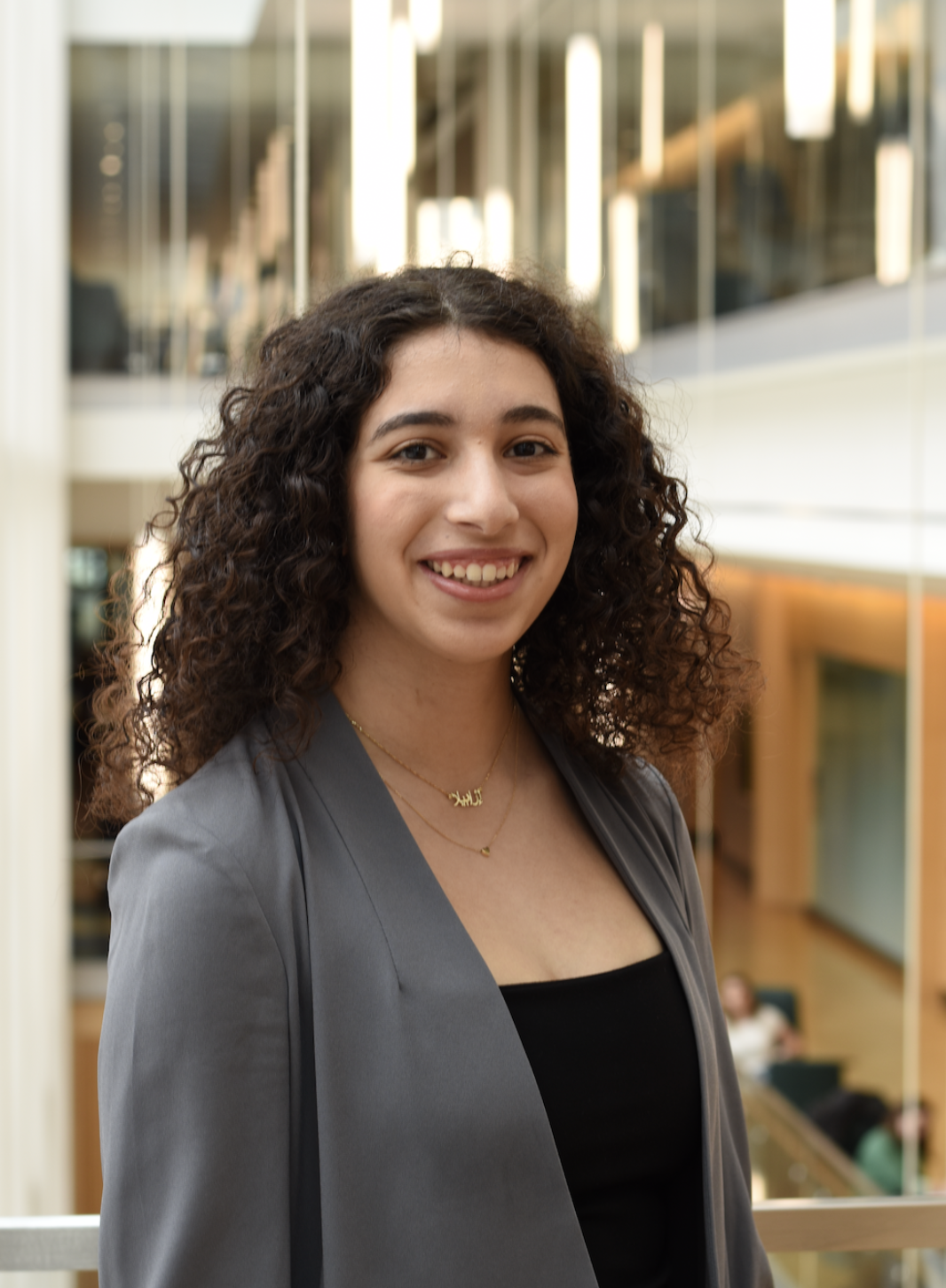
Isabella Haladjian
Electrical Subteam Lead, Biomedical Engineering 2028
-

Elaina Starzacher
Business Subteam Lead, Industrial & Operations Engineering 2027

Our Advisor
Solomon Adera, PhD
Associate Professor in Mechanical EngineeringDr. Solomon Adera is a professor in the Mechanical Engineering Department. He earned his Ph.D. in Mechanical Engineering from MIT and was a postdoctoral researcher at Harvard prior to his position at UMich. His research interests include heat and mass transfer phenomena, and he teaches the undergraduate mechanical engineering heat transfer course. He has shown a strong commitment to serving disadvantaged communities throughout his career, and he has served as Solar Fridge's team advisor since 2023.
Contact Us
Team leads – Anders Martin Hansen (aandersh@umich.edu) and Aayushi Wadhawan (aayushiw@umich.edu)
Engineering leads – Snikitha Periketi, Temperature Control Subteam Lead (perisniki@umich.edu); Isabella Haladjian, Electrical Subteam Lead (isabelmh@umich.edu)
Business lead – Elaina Starzacher (estarzac@umich.edu)