
Project CEPEA
There is a need for therapeutic interventions that enhance feeding and swallowing therapy as well as increased education regarding nutrition in low resource settings in Bangladesh.
Background

Project CEPEA stands for Cerebral Palsy Education and Aid (formerly known as CSF Global)
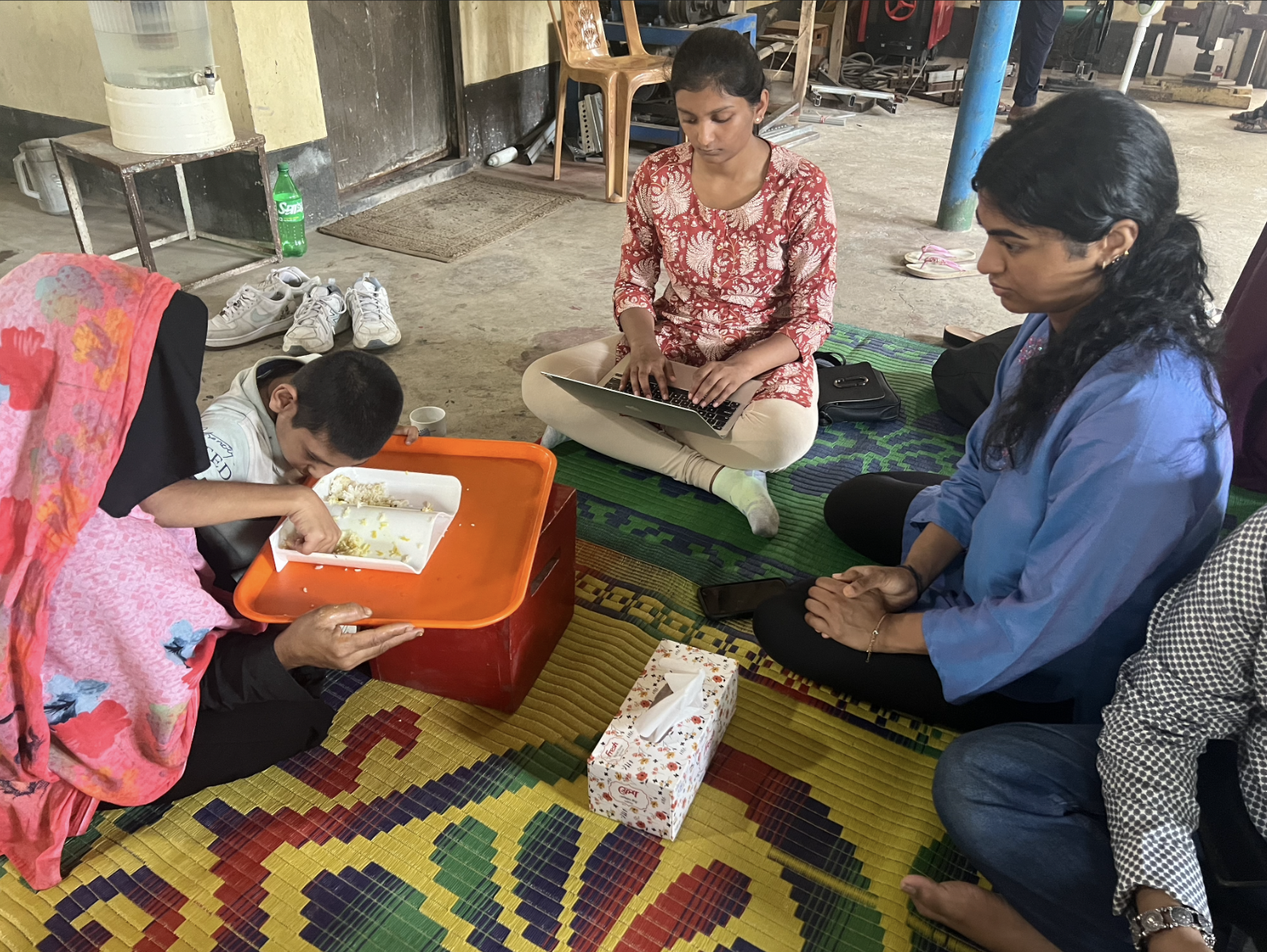
Our team traveled to Bangladesh in 2019 to conduct an initial needs assessment. They found that malnutrition is heightened in children with cerebral palsy especially in low-income areas due to the lack of proper nutritional education and the means to encourage feeding independence
~260,000 children
in Bangladesh suffer from cerebral palsy
22% of children
with cerebral palsy were severely underweight and had severe stunting according to BCPR
1 out of 15 children
with cerebral palsy are unable to take food through their mouth
PROJECT OVERVIEW
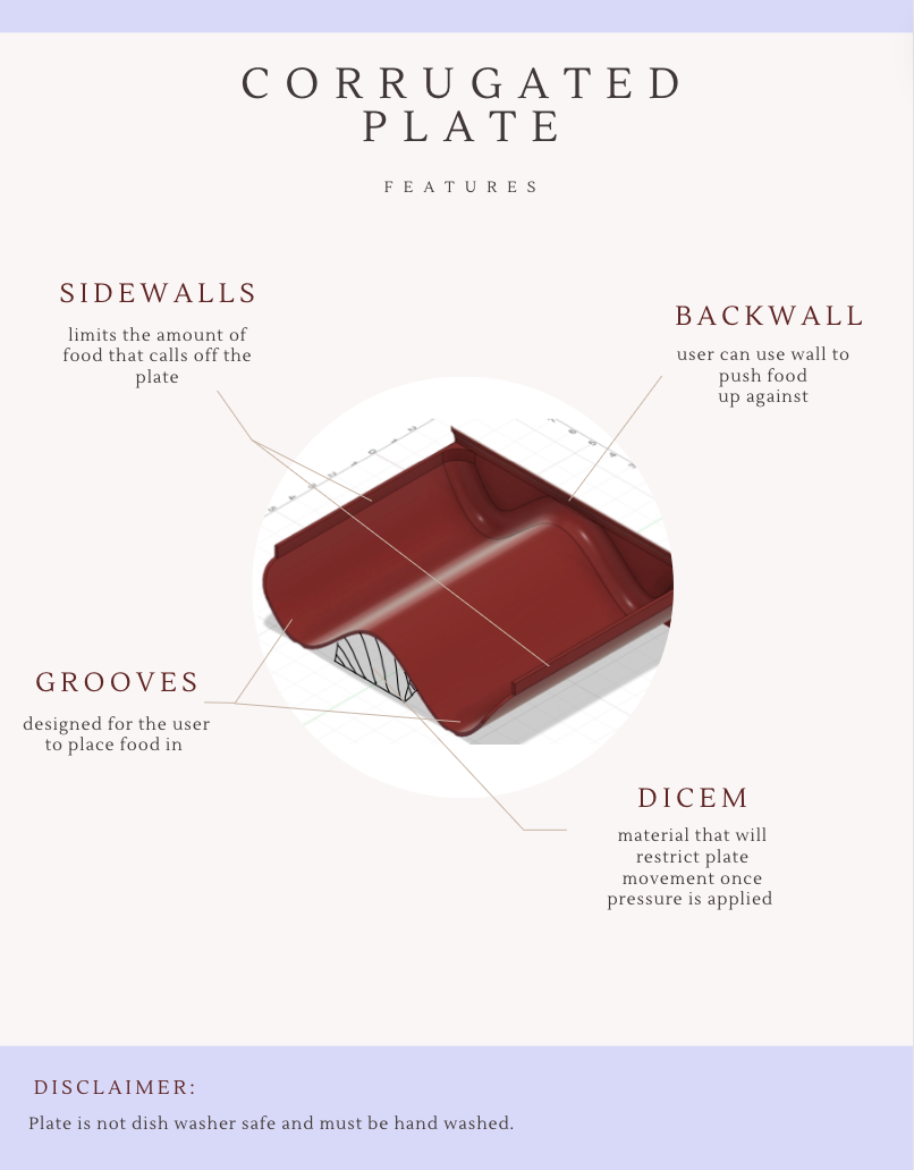
Corrugated plate design
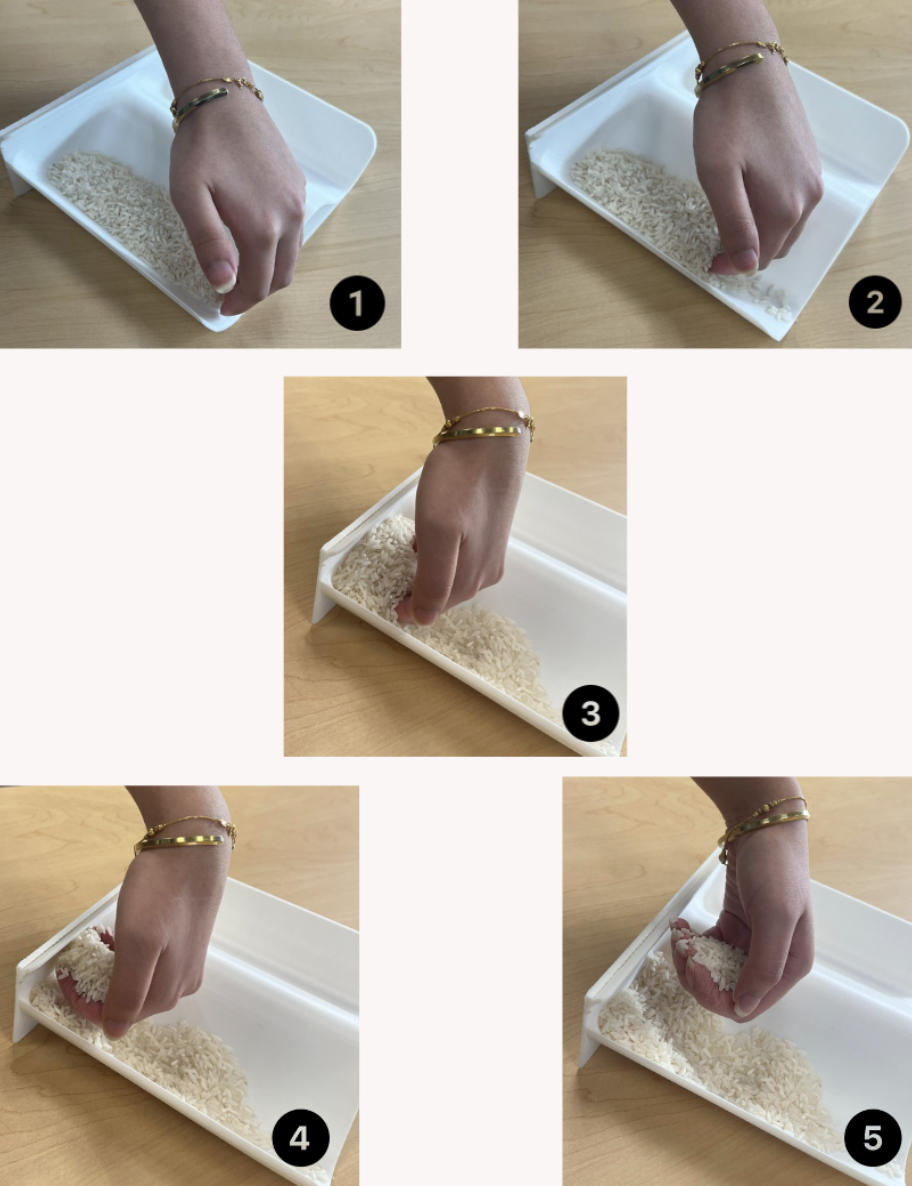
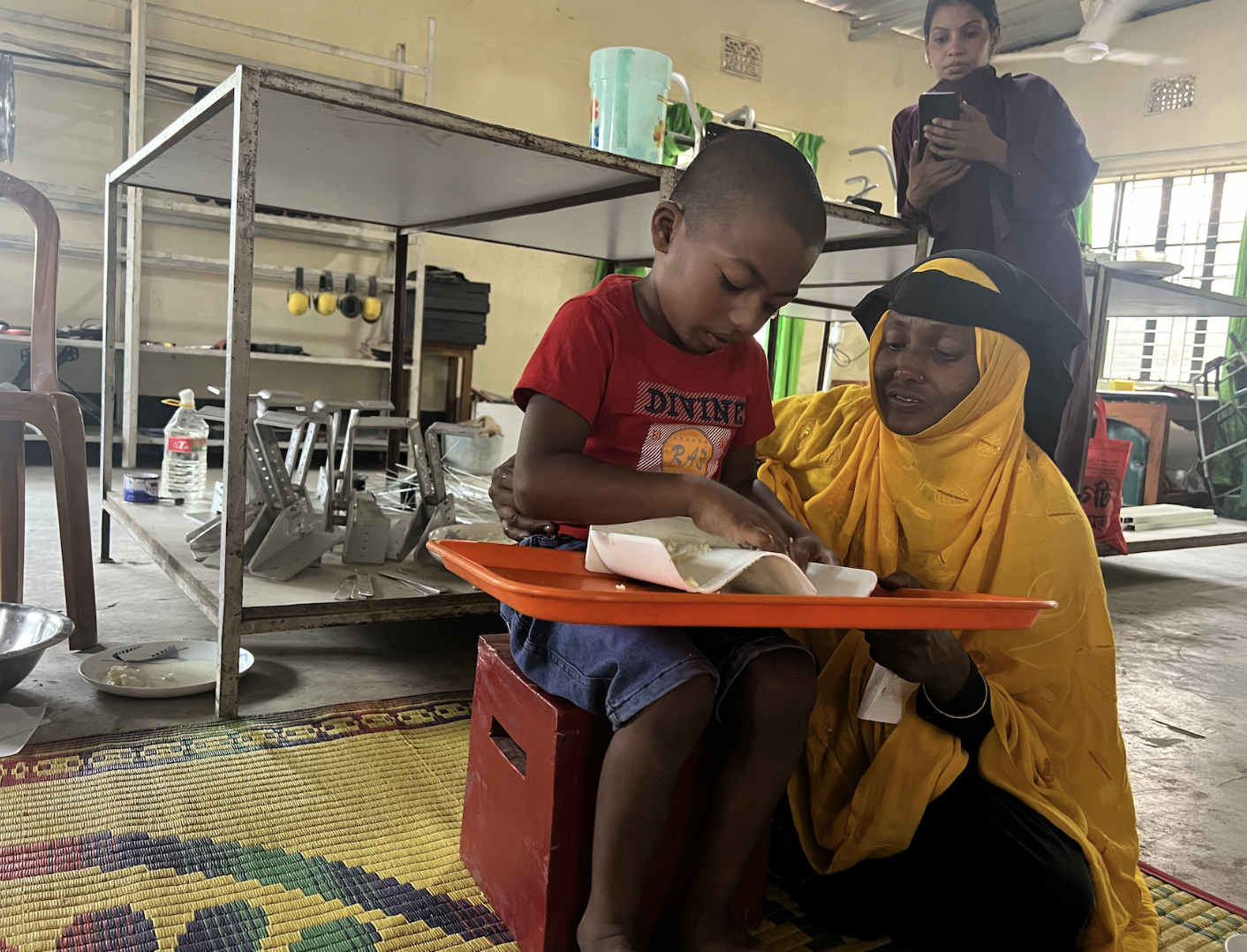
We developed a novel corrugated plate design to help children with limited motor function scoop more food into their hand, assisting with feeding independently. Our feasibility study conducted in May 2024 in Bangladesh showed that children ate faster when using our plate compared to their normal plate (p=0.032).
The version of the prototype we are currently working on will mix the two prototypes with design changes that incorporate feedback we have received from our community partners
Increased Volume - Greater Versatility & Ease of Use
Shorter Walls with Angled Base - Reduces Spilling & Increased Visibility
Curled lip - Culturally Sensitive & Efficient Food Handling


Educational Materials
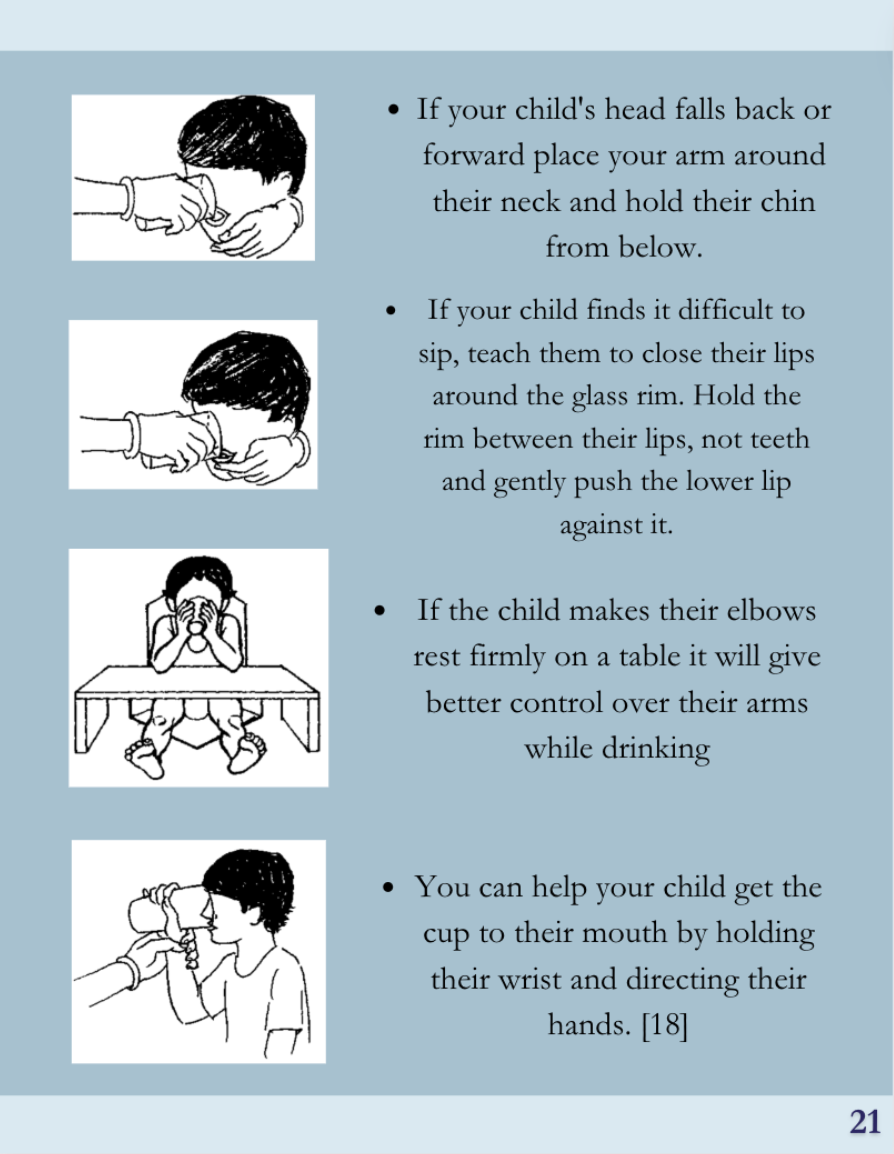
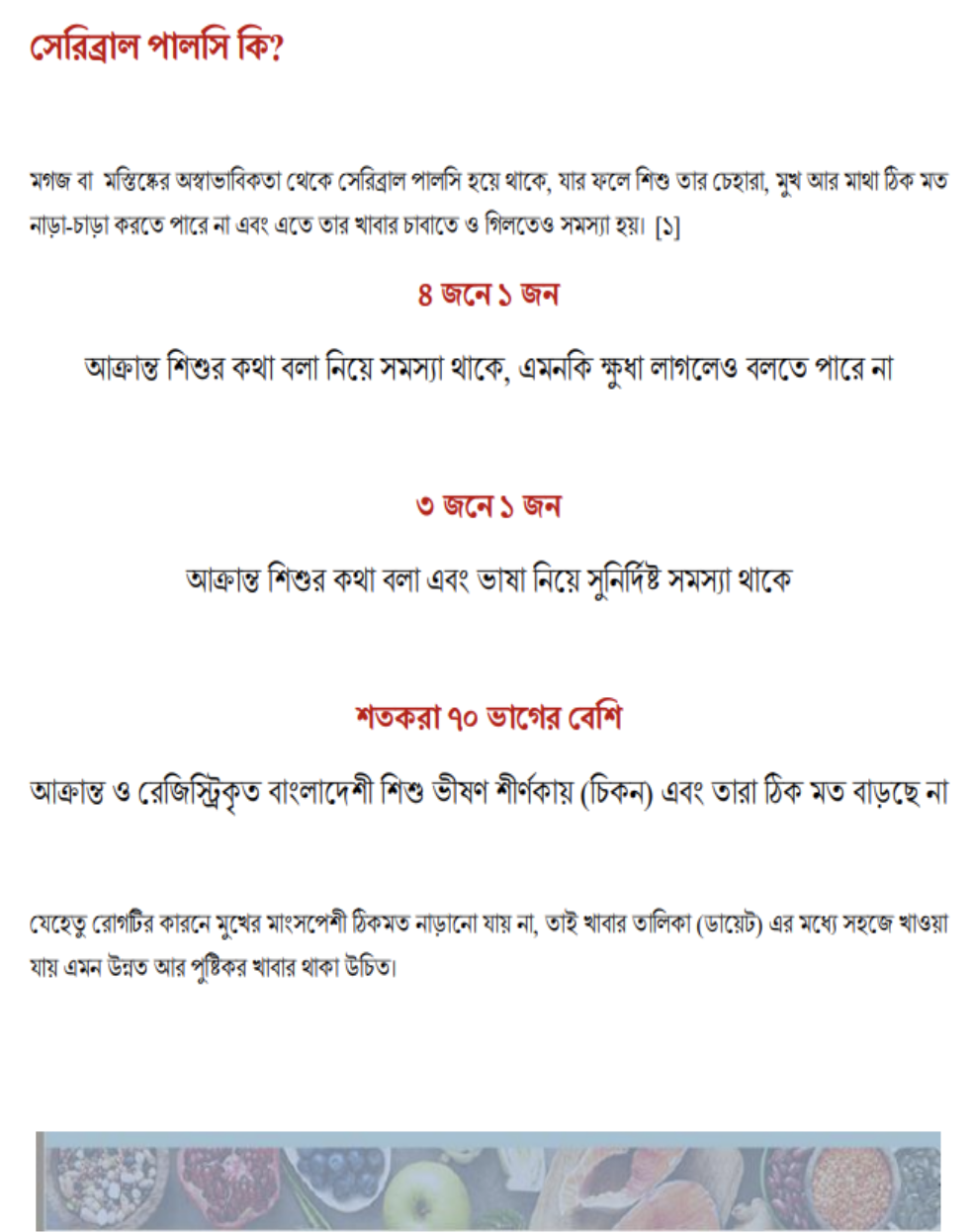
We created a booklet focused on nutrition and feeding to help educate caregivers and children in Bangladesh. It has been translated into Bangla and 40 copies were disseminated, caregivers said it contained a lot of new information they didn’t know about previously.
PROJECT UPDATES
Technical Team
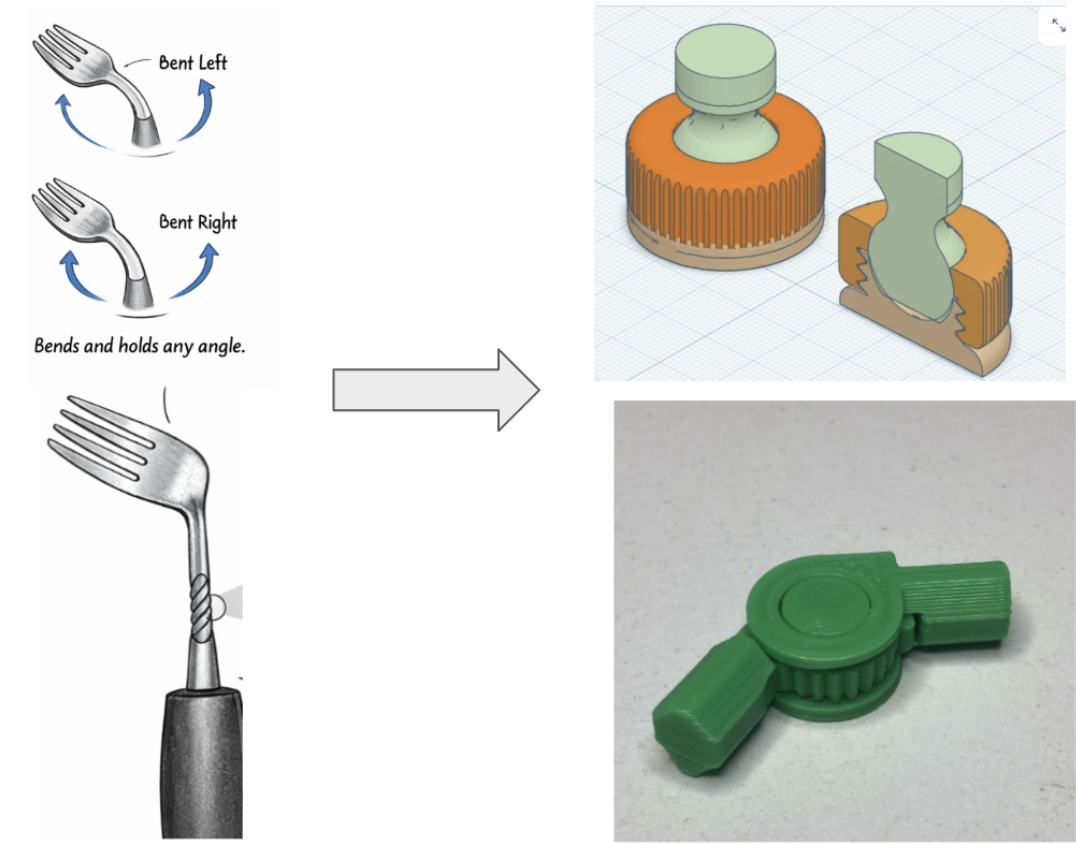
In the past year we have been working with Wing Lake to develop a bendable fork. Current options on the market are expensive and limited, our design aims to be cheaper with more versatility.
Educational Team
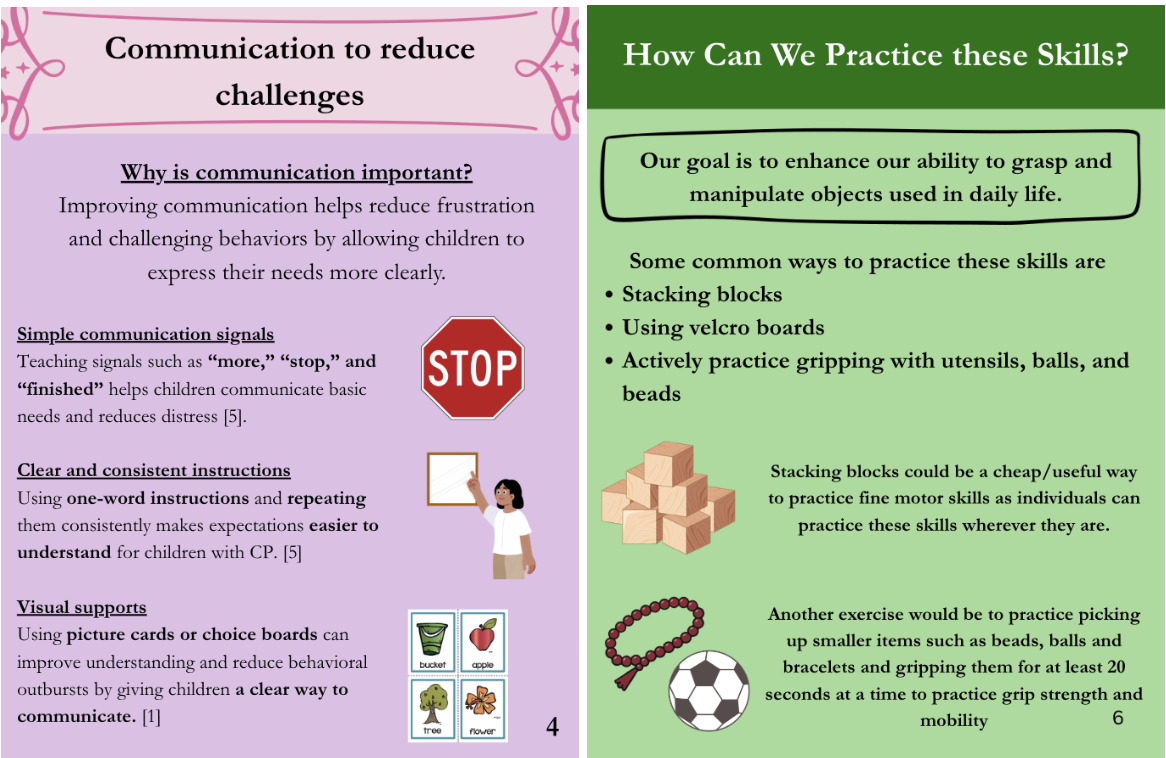
Our education team is working on three new booklets for education on speech, physical, and behavioral therapy. These were chosen based on feedback from caregivers in Bangladesh who specifically identified these as areas they feel underequipped in. We are currently working with Michigan medicine therapists to edit these.
Our Community Partners
CSF Global (Child Sight Foundation)
Partner NGO located in Sirajganj, Bangladesh
Provide rehabilitation services to children with cerebral palsy
Medical assessment & Rehabilitation camps
Speech, occupational, physical therapy
Nutrition planning
Cerebral palsy & Assistive device center
Dr. Razeen, Project Director & Community Partner
Saqeeb Ishraq, Intern

Wing Lake Developmental Center
Located in Bloomfield Hills, MI
Provide education to children with Severe Cognitive Impairments (SCI) and Severe Multiple Impairments (SXI)
Speech, physical, and occupational therapy
Student opportunities such as student council, field days, musical events
Provide students with skills to become as independent as they can
Kamille D’ Valentine, Occupational Therapist
Travel Updates
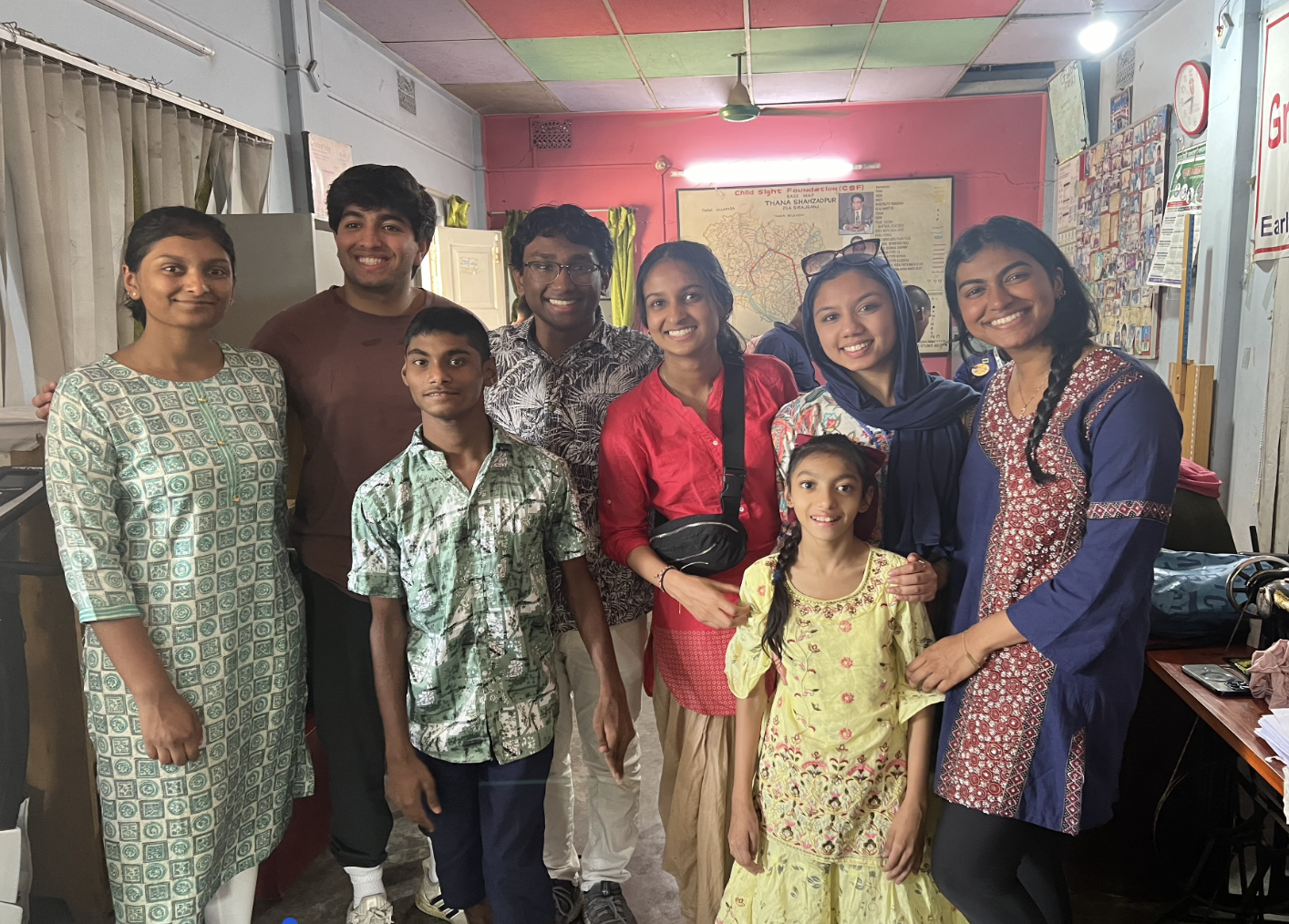
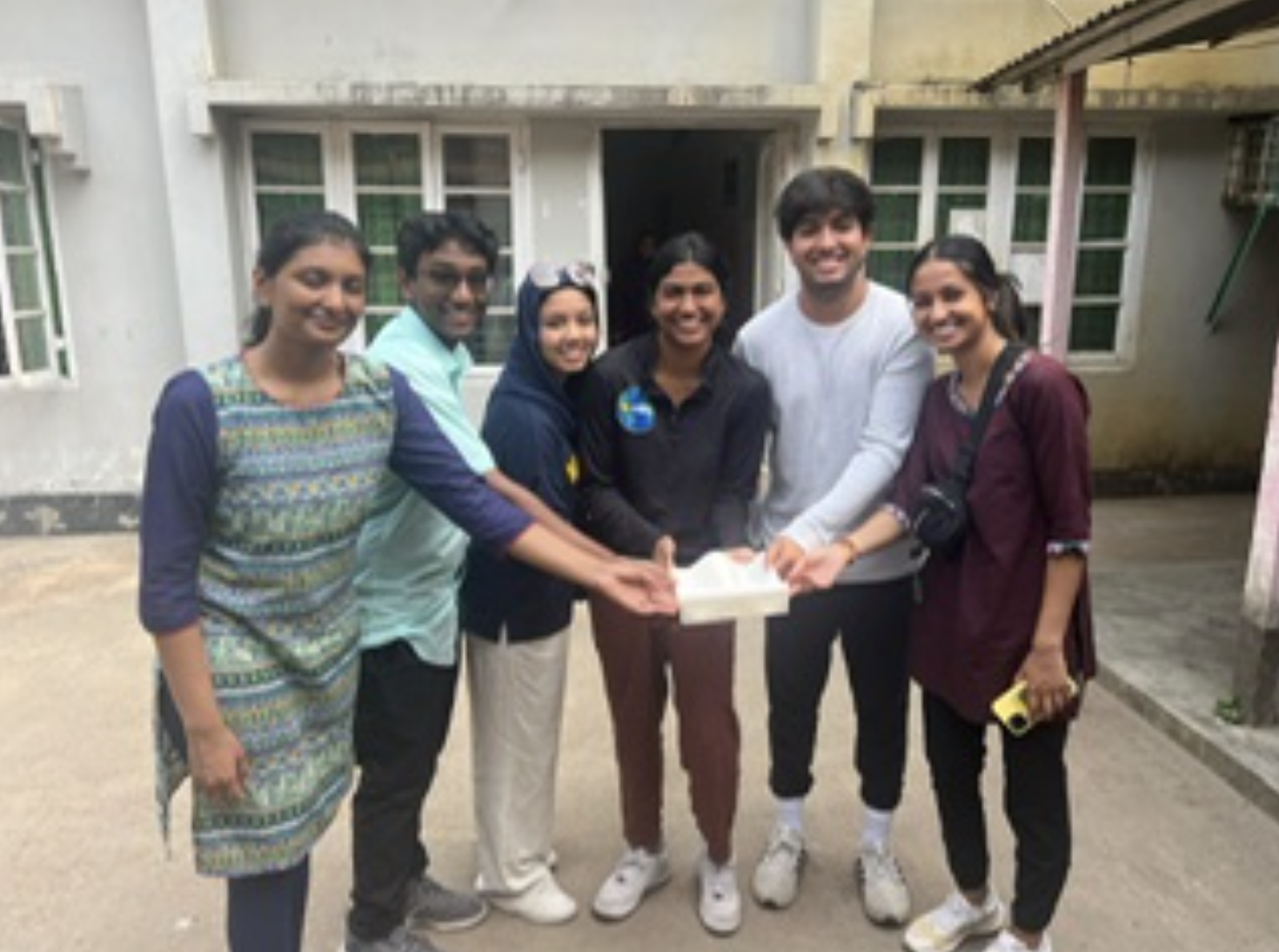
We traveled to Bangladesh in 2024 to conduct a feasibility study of our corrugated plate and distribute our educational materials. Our study showed that the time to eat was significantly faster using our plate, and focus group discussions and surveys reinforced the helpfulness of our educational materials. We also gained a lot of important feedback from the caregivers that have been and will continue to be incorporated in our work.
Team Advisor

Mousumi Banerjee, PhD
Research Professor of Biostatistics, School of Public Health; Director of Biostatistics, Center for Healthcare Outcomes & Policy (CHOP); American Statistical Association Fellow Dr. Mousumi Banerjee is the Anant M. Kshirsagar Collegiate Research Professor of Biostatistics at the University of Michigan School of Public Health and Director of Biostatistics at the Center for Healthcare Outcomes & Policy (CHOP). A Fellow of the American Statistical Association and elected member of the International Statistical Institute, she holds a PhD in Statistics from the University of Wisconsin-Madison. Her research focuses on machine learning, multilevel and longitudinal modeling, survival analysis, and competing risks, with applications in cancer care, pediatric cardiac outcomes, and healthcare disparities. Dr. Banerjee is deeply committed to team science, mentorship, and leveraging data-driven insights to advance health policy and equity.